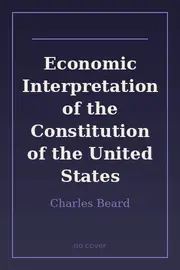
Economic Interpretation of the Constitution of the United States
Charles Beard · 1913
Politics, economics and society › Classical economics and free markets
#12,298 most recommended
Hacker News
3
mentions by 2 people · top 64% of 15,732 books
Open Library
—
No ratings yet
Wikipedia
840
article views a month
About the book
A study of the 1787 Philadelphia Convention and the ratification of the United States Constitution, focusing on the economic position of the men who drafted and supported it. It draws on records of the delegates' property, public securities, and commercial and land holdings, and on the geographic pattern of the ratification votes. Beard contends that the Constitution was shaped chiefly by the material interests of its framers, who were largely creditors, holders of public securities, merchants, and owners of personal property, rather than by an abstract consensus on popular sovereignty. He argues that the document was designed to protect property and create a stronger national government able to pay public debts and regulate commerce, which those interests needed. He also maintains that ratification followed economic lines, with the strongest support among commercial and creditor groups and the most resistance among debtor and agrarian communities.
Written by Claude from what it knows of this book.
What Hacker News says 100% recommend · 0% critical
In the commenters’ own words
Yeah, exactly. There's so much propaganda in the USA depicting the constitution as some sort of inspired document written by enlightened men, and then most…
> That the United States is essentially a slave state, and that all of the wealth was created on the backs of slavery I mean, all of that is true. Nobody…
What Open Library readers say
No Open Library reader has rated it yet.
What Wikipedia says
- published 1913
- articles in 5 languages
- 840 views a month
Reddit communities — coming later
Free to read
Details
- First published
- 1913
- ISBN
- 9781351321167
- Editions known
- 8 at Open Library
- Open Library
- OL25190974W
Conditions économiquesEconomic conditionsEconomic history
Read next: its neighbours on the mosaic
 The English constitutionWalter Bagehot · 1867 · recommended by 1 person · similar by subject and what people say about it
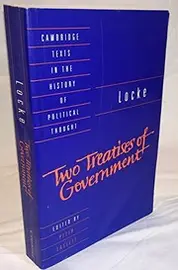 Two Treatises of GovernmentJohn Locke · 1689 · recommended by 4 people · similar by subject and what people say about it
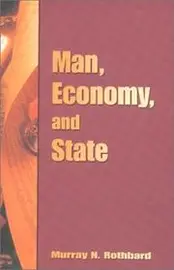 Man, economy, and stateMurray N. Rothbard · 1962 · recommended by 8 people · similar by subject and what people say about it
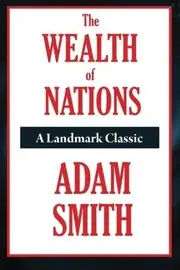 The Wealth of NationsAdam Smith · 1776 · recommended by 92 people · similar by subject and what people say about it
 Mutual AidPeter Kropotkin · 1902 · recommended by 14 people · loosely similar by subject
 The national system of political economyFriedrich List · 1966 · recommended by 2 people · similar by subject and what people say about it
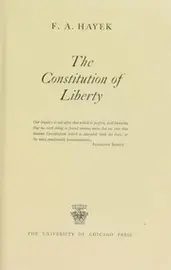 The constitution of libertyFriedrich A. von Hayek · 1960 · recommended by 4 people · similar by subject and what people say about it
 Second Treatise of GovernmentJohn Locke · 2016 · recommended by 5 people · loosely similar by subject
 The general theory of employment, interest and moneyJohn Maynard Keynes · 1936 · recommended by 10 people · loosely similar by subject
 Inquiry into the nature and causes of the wealth of nationsAdam Smith · 1788 · recommended by 9 people · loosely similar by subject
 The cultural contradictions of capitalismDaniel Bell · 1976 · recommended by 1 person · loosely similar by subject
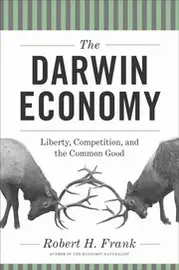 The Darwin economyRobert H. Frank · 2011 · recommended by 1 person · loosely similar by subject
 CongressDavid R. Mayhew · 2004 · recommended by 2 people · loosely similar by subject
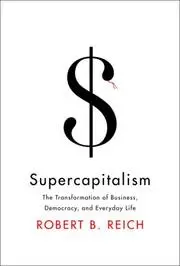 SupercapitalismRobert B. Reich · 2007 · recommended by 3 people · loosely similar by subject
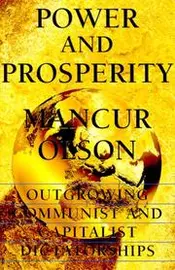 Power and prosperityMancur Olson · 2000 · recommended by 3 people · loosely similar by subject
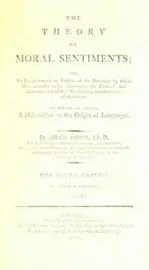 The theory of moral sentimentsAdam Smith · 1759 · recommended by 16 people · loosely similar by subject
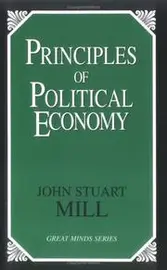 Principles of Political EconomyJohn Stuart Mill · 1848 · recommended by 0 people · loosely similar by subject
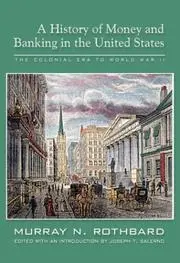 A history of money and banking in the United StatesMurray N. Rothbard · 2002 · recommended by 0 people · loosely similar by subject
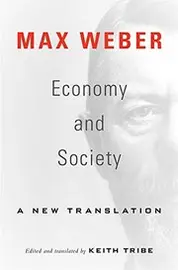 Economy and SocietyMax Weber · 1978 · recommended by 1 person · loosely similar by subject
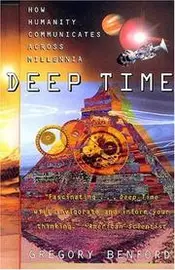 Deep timeGregory Benford · 1999 · recommended by 7 people · loosely similar by subject
 Capability-based computer systemsHenry M. Levy · 1984 · recommended by 6 people · loosely similar by subject
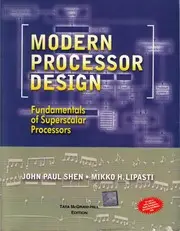 Modern processor designJohn Paul Shen · 2005 · recommended by 6 people · loosely similar by subject
 Bit-slice microprocessor designJohn Mick · 1980 · recommended by 3 people · loosely similar by subject
 The fable of the beesBernard Mandeville · 1705 · recommended by 3 people · loosely similar by subject