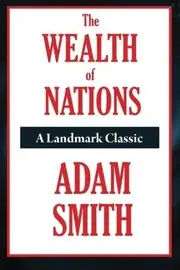
The Wealth of Nations
Adam Smith · 1776
Politics, economics and society › Classical economics and free markets
#35 most recommended
Hacker News
666
mentions by 405 people · top 0.2% of 15,732 books
Open Library
4.10★★★★★★★★★★
31 ratings · 699 want to read
Wikipedia
19k
article views a month
About the book
An inquiry into what produces a nation's wealth and why some countries are richer than others. It covers the division of labour, the formation of prices, wages, profits and land rent, the accumulation and use of capital, and the history of agriculture, commerce and manufacturing in Europe, along with colonial trade, taxation and the public functions of the state. Smith holds that a nation's wealth rests on the productive power of labour, which rises with the division of labour and with the stock of capital put to work. He argues that people pursuing their own gain in open markets, with limited interference, tend to direct resources toward the most productive uses and so increase the common wealth. He criticises mercantilist policies that treat money and trade restrictions as the measure of national prosperity, and he sets out the limited duties he thinks government should take on, such as defence, justice and certain public works.
Written by Claude from what it knows of this book.
What Hacker News says 23% recommend · 2% critical
In the commenters’ own words
While there's some truth in this article, there's a lot of confusion as well. Edward McClelland claims that "the laws of the free market", differing…
The blog post author is a provider of educational software sold to schools, writing to identify problems that he thinks arise from the Khan Academy approach…
What Open Library readers say 4.10 from 31 ratings
- 513
- 411
- 35
- 21
- 11
- 699 want to read
- 53 reading
- 32 have read
What Wikipedia says
- published 9 March 1776
- articles in 60 languages
- 19k views a month
Reddit communities — coming later
The threads it came up in
- Ask HN: Books you read in 2016?
- Ask HN: Books you plan to read in 2020?
- Ask HN: What's the "best" book you've ever read?
- Ask HN: Good books?
- Ask HN: What are you reading right now?
- Ask HN: Interesting (Non software) books?
- Ask HN: Books you read in 2022 and recommend for 2023
- Ask HN: What are the best unknown books you have read?
Free to read
Details
- First published
- 1776
- ISBN
- 9781613820810
- Editions known
- 46 at Open Library
- Open Library
- OL76827W
BUSINESS & ECONOMICSBusinessClassical school of economicsCollectionsColoniesColonizationCommunismCommunism, germanyDemocracyEarly works to 1800Economia PoliticaEconomicsEconomics, philosophyEconomische filosofie
Read next: its neighbours on the mosaic
 The theory of moral sentimentsAdam Smith · 1759 · recommended by 16 people · 8 people recommended both
 The wealth and poverty of nationsDavid S. Landes · 1998 · recommended by 4 people · named together in 7 comments
 The general theory of employment, interest and moneyJohn Maynard Keynes · 1936 · recommended by 10 people · 3 people recommended both
 On the Wealth of NationsP. J. O'Rourke · 2007 · recommended by 2 people · named together in 5 comments
 Wealth of NationsCollins, John · 2017 · recommended by 0 people · named together in 3 comments
 Das KapitalKarl Marx · 1867 · recommended by 40 people · named together in 6 comments
 Communist ManifestoKarl Marx · 1848 · recommended by 31 people · named together in 9 comments
 The Road to SerfdomFriedrich A. von Hayek · 1944 · recommended by 59 people · 4 people recommended both
 Economics in One LessonHenry Hazlitt · 1946 · recommended by 107 people · 4 people recommended both
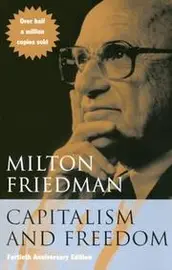 Capitalism and freedomMilton Friedman · 1962 · recommended by 22 people · named together in 3 comments
 For a new libertyMurray N. Rothbard · 1973 · recommended by 13 people · 2 people recommended both
 Two Treatises of GovernmentJohn Locke · 1689 · recommended by 4 people · named together in 2 comments
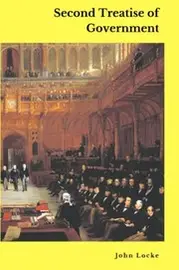 Second Treatise of GovernmentJohn Locke · 2016 · recommended by 5 people · 2 people recommended both
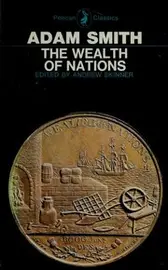 Inquiry into the nature and causes of the wealth of nationsAdam Smith · 1788 · recommended by 9 people · 2 people recommended both
 Human ActionLudwig von Mises · 1949 · recommended by 26 people · named together in 3 comments
 Henry HazlittJeffrey A. Tucker · 1994 · recommended by 5 people · similar by subject and what people say about it
 Progress and povertyHenry George · 1879 · recommended by 42 people · named together in 2 comments
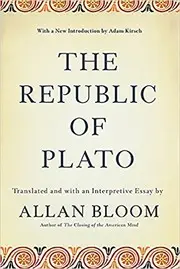 The Republic of PlatoAllan David Bloom · 2016 · recommended by 1 person · similar by subject and what people say about it
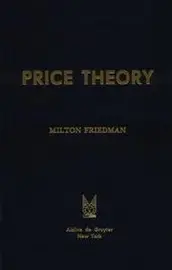 Price theoryMilton Friedman · 1962 · recommended by 6 people · similar by subject and what people say about it
 On LibertyJohn Stuart Mill · 1859 · recommended by 45 people · similar by subject and what people say about it
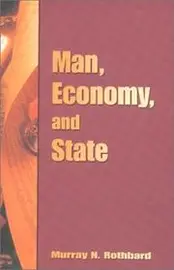 Man, economy, and stateMurray N. Rothbard · 1962 · recommended by 8 people · similar by subject and what people say about it
 The Great TransformationKarl Polanyi · 1944 · recommended by 12 people · similar by subject and what people say about it
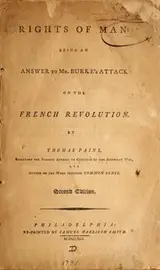 Rights of ManThomas Paine · 1791 · recommended by 4 people · similar by subject and what people say about it
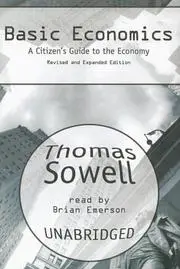 Basic economicsThomas Sowell · 2000 · recommended by 88 people · similar by subject and what people say about it