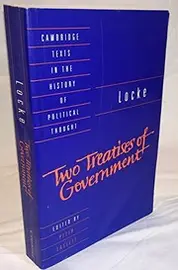
Two Treatises of Government
John Locke · 1689
Politics, economics and society › Political philosophy classics
#2,645 most recommended
Hacker News
18
mentions by 16 people · top 18% of 15,732 books
Open Library
4.00★★★★★★★★★★
1 rating · 1 want to read
Wikipedia
6,922
article views a month
About the book
Locke's main work of political philosophy appeared without his name in the wake of the Glorious Revolution, though most of it was probably written during the Exclusion Crisis. The First Treatise takes apart Robert Filmer's Patriarcha one passage at a time, rejecting its case for a hereditary, absolute monarchy ordained by God. The Second Treatise describes a society built on natural rights and a social contract. Rulers need the consent of the governed, and in limited circumstances the people may remove them. It is regarded as a core text of liberal thought.
Written by Claude from the Open Library description, the Wikipedia article and the Hacker News comments.
What Hacker News says 25% recommend · 0% critical
Says that after reading it, he was struck that Locke opens by arguing against Filmer and others, a reminder that treating private property as sacred was not always the norm.
Says modern governments, the US especially, base their claim to power on Locke's argument that no one holds absolute authority over another, so a social contract pools self-defense and some property.
Credits the work with the liberal idea of limited government and contrasts it with Rousseau's later answer, the absolute sovereignty of the general will.
Argues that Locke's view that government exists to protect life, liberty and property shaped the Bill of Rights and American attitudes toward wealth.
Notes that the Declaration's famous trio of rights echoes Locke's wording, and uses this to argue American independence was more continuous with English rule than commonly taught.
What Open Library readers say 4.00 from 1 rating
- 50
- 41
- 30
- 20
- 10
- 1 want to read
- 0 reading
- 1 have read
Only 1 rating: treat the average as a hint.
What critics say, via Wikipedia
- published December 1689
- articles in 27 languages
- 6,922 views a month
Praise
None in the article.
Criticism
Mounted a sustained, sophisticated attack on the Treatises and endorsed patriarchalism.
Argued the Treatises barely influenced British political thought, where older traditions mattered more.
Paraphrased from the Wikipedia article; the critics and outlets are as it names them.
Reddit communities — coming later
The threads it came up in
Details
- First published
- 1689
- ISBN
- 9780521357302
- Editions known
- 24 at Open Library
- Open Library
- OL31805824W
Read next: its neighbours on the mosaic
 On LibertyJohn Stuart Mill · 1859 · recommended by 45 people · 2 people recommended both
 The Social ContractJean-Jacques Rousseau · 1762 · recommended by 9 people · named together in 2 comments
 Democracy in AmericaAlexis de Tocqueville · 1945 · recommended by 27 people · named together in 3 comments
 Second Treatise of GovernmentJohn Locke · 2016 · recommended by 5 people · named together in 2 comments
 UtilitarianismJohn Stuart Mill · 1863 · recommended by 5 people · similar by subject and what people say about it
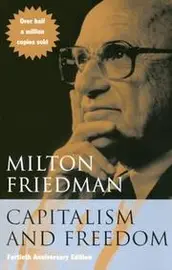 Capitalism and freedomMilton Friedman · 1962 · recommended by 22 people · named together in 2 comments
 A theory of justiceJohn Rawls · 1971 · recommended by 23 people · similar by subject and what people say about it
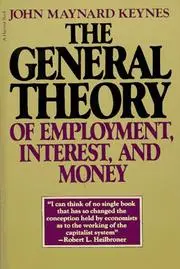 The general theory of employment, interest and moneyJohn Maynard Keynes · 1936 · recommended by 10 people · similar by subject and what people say about it
 A treatise of human natureDavid Hume · 1739 · recommended by 12 people · named together in 2 comments
 The Road to SerfdomFriedrich A. von Hayek · 1944 · recommended by 59 people · named together in 3 comments
 The Wealth of NationsAdam Smith · 1776 · recommended by 92 people · named together in 2 comments
 The new industrial stateJohn Kenneth Galbraith · 1967 · recommended by 6 people · similar by subject and what people say about it
 Das KapitalKarl Marx · 1867 · recommended by 40 people · similar by subject and what people say about it
 Essay concerning human understandingJohn Locke · 1689 · recommended by 5 people · similar by subject and what people say about it
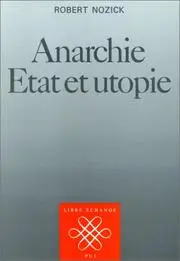 Anarchy, State, and UtopiaRobert Nozick · 1974 · recommended by 14 people · similar by subject and what people say about it
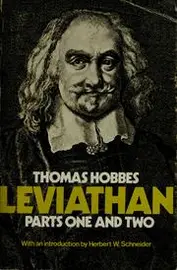 LeviathanThomas Hobbes · 1651 · recommended by 22 people · similar by subject and what people say about it
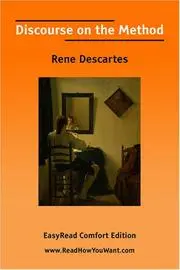 Discourse on the methodRené Descartes · 1637 · recommended by 8 people · similar by subject and what people say about it
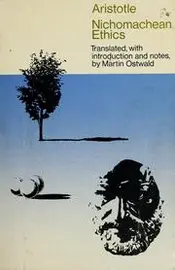 The Nichomachean ethicsAristotle · 1876 · recommended by 13 people · similar by subject and what people say about it
 The machinery of freedomDavid D. Friedman · 1973 · recommended by 37 people · similar by subject and what people say about it
 The theory of moral sentimentsAdam Smith · 1759 · recommended by 16 people · similar by subject and what people say about it
 For a new libertyMurray N. Rothbard · 1973 · recommended by 13 people · similar by subject and what people say about it
 The ethics of libertyMurray Newton Rothbard · 1982 · recommended by 11 people · similar by subject and what people say about it
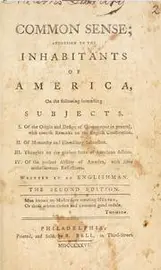 Common SenseThomas Paine · 1776 · recommended by 9 people · similar by subject and what people say about it
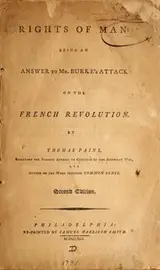 Rights of ManThomas Paine · 1791 · recommended by 4 people · similar by subject and what people say about it