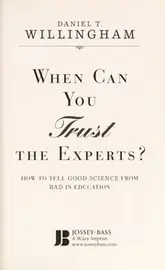
When can you trust the experts?
Daniel T. Willingham · 2012
Self-help, psychology and business books › Decision making and behavioral economics
#13,446 most recommended
Hacker News
2
mentions by 2 people · top 79% of 15,732 books
Open Library
—
No ratings yet
7 want to read
Wikipedia
—
No article yet
About the book
The book is about how teachers, administrators, and parents can judge whether an educational program, product, or practice is really supported by research. It covers the basics of scientific evidence in education, such as what makes a comparison controlled and what statistical results do and do not show, and it is written for readers without formal training in statistics. Willingham argues that a non-specialist can separate well-supported educational claims from exaggerated ones by asking a small set of questions about the evidence, rather than relying on credentials, marketing, or the phrase "based on research." His central claims are that trustworthy evidence comes from well-designed comparisons that have been replicated and scrutinized, that single studies, anecdotes, and vendor-funded results deserve caution, and that the research label is often applied loosely.
Written by Claude from what it knows of this book.
What Hacker News says 50% recommend · 0% critical
In the commenters’ own words
Interesting. So the idea is that critical thinking boils down to a combination of domain knowledge and specific metacognitive strategies, and so critical…
This book chapter is an interesting read. It illustrates the importance of considering sample size, especially, when looking at preliminary research findings…
What Open Library readers say
No Open Library reader has rated it yet.
- 7 want to read
- 1 reading
- 0 have read
What critics say, via Wikipedia
No Wikipedia article about this book yet, so no critics to quote.
Reddit communities — coming later
Details
- First published
- 2012
- ISBN
- 9781118130278
- Editions known
- 8 at Open Library
- Open Library
- OL16592005W
EDUCATIONEDUCATION / GeneralEducationEducation, researchGeneralResearchScienceStudy and teaching
Read next: its neighbours on the mosaic
 Why don't students like school?Daniel T. Willingham · 2009 · recommended by 11 people · similar by subject and what people say about it
 Building a better teacherElizabeth Green · 2014 · recommended by 5 people · similar by subject and what people say about it
 Teach like a championDoug Lemov · 2010 · recommended by 6 people · similar by subject and what people say about it
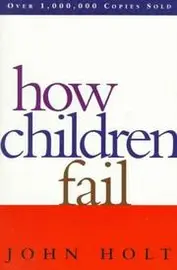 How children failJohn Caldwell Holt · 1964 · recommended by 7 people · similar by subject and what people say about it
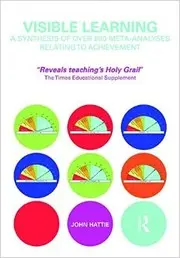 Visible learningJohn Hattie · 2008 · recommended by 6 people · similar by subject and what people say about it
 Intelligence and how to get itRichard E. Nisbett · 2009 · recommended by 4 people · loosely similar by subject
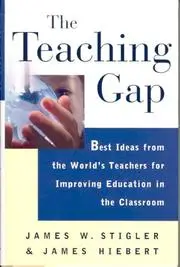 The teaching gapJames W. Stigler · 2007 · recommended by 1 person · loosely similar by subject
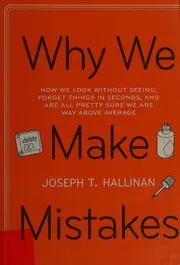 Why we make mistakesJoseph T. Hallinan · 2009 · recommended by 3 people · loosely similar by subject
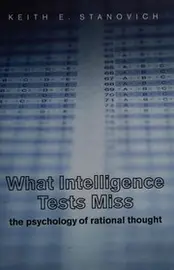 What intelligence tests missKeith E. Stanovich · 2009 · recommended by 6 people · loosely similar by subject
 The Cambridge handbook of expertise and expert performanceK. Anders Ericsson · 2006 · recommended by 14 people · similar by subject and what people say about it
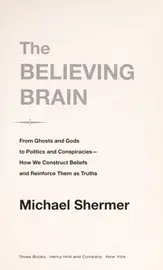 The believing brainMichael Shermer · 2011 · recommended by 4 people · loosely similar by subject
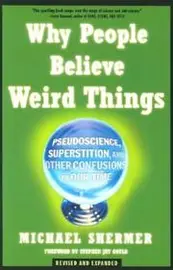 Why people believe weird thingsMichael Shermer · 1997 · recommended by 9 people · loosely similar by subject
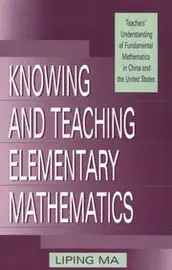 Knowing and teaching elementary mathematicsLiping Ma · 1999 · recommended by 2 people · loosely similar by subject
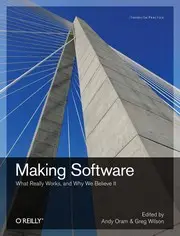 Making SoftwareAndy Oram · 2010 · recommended by 12 people · loosely similar by subject
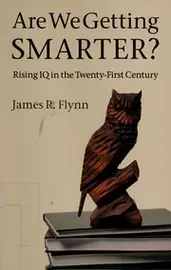 Are we getting smarter?James Robert Flynn · 2012 · recommended by 1 person · loosely similar by subject
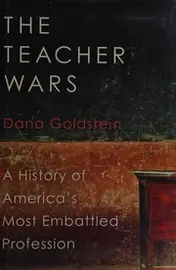 The teacher warsDana Goldstein · 2014 · recommended by 1 person · loosely similar by subject
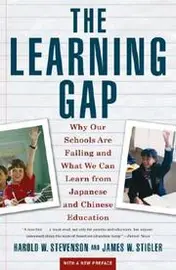 Learning GapHarold Stevenson · 1994 · recommended by 1 person · loosely similar by subject
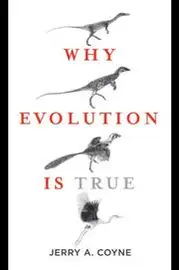 Why evolution is trueJerry A. Coyne · 2009 · recommended by 9 people · loosely similar by subject
 What is intelligence?James Robert Flynn · 2007 · recommended by 4 people · loosely similar by subject
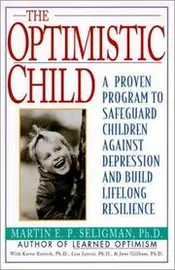 The optimistic childMartin Elias Pete Seligman · 1995 · recommended by 2 people · loosely similar by subject
 Let's readCynthia A. Barnhart · 2010 · recommended by 2 people · loosely similar by subject
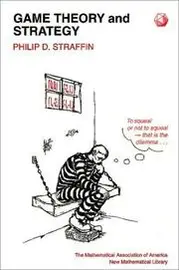 Game theory and strategyPhilip D. Straffin · 1993 · recommended by 2 people · loosely similar by subject
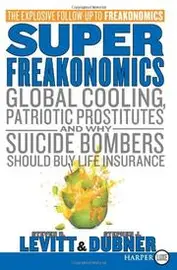 SuperfreakonomicsSteven D. Levitt · 2009 · recommended by 7 people · loosely similar by subject
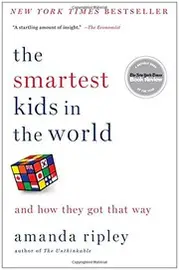 The Smartest Kids in the WorldAmanda Ripley · 2013 · recommended by 3 people · loosely similar by subject