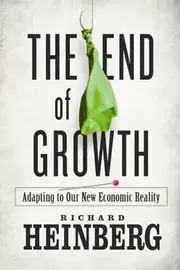
The end of growth
Richard Heinberg · 2011
Politics, economics and society › Economic stagnation and automation
#11,560 most recommended
Hacker News
5
mentions by 2 people · top 48% of 15,732 books
Open Library
—
No ratings yet
5 want to read
Wikipedia
—
No article yet
About the book
The book examines the slowdown of economic growth in industrial economies, tracing it to three converging constraints: depletion of cheap energy and other natural resources, environmental damage, and heavy public and private debt. It places the 2008 financial crisis within this longer trajectory and covers both national policy and the household and community scale of the transition. Heinberg argues that the expansion of industrial civilization is colliding with physical limits, so growth in GDP can no longer be sustained and attempts to restore it will keep failing. He contends that mainstream economic theory, which treats growth as the normal state, will have to be revised, and that money and commerce will need to be reinvented. He recommends that policymakers, communities, and families plan for an economy that operates within Earth's energy and resource budget, and that they set goals based on human and environmental well-being rather than GDP.
Written by Claude from what it knows of this book.
What Hacker News says 100% recommend · 0% critical
In the commenters’ own words
What's particularly ... peculiar ... about economics is the degree to which specific elements of it have been so vigorously adopted, promulgated, and defended…
There are multiple problems with Gates's predition, but two of the biggest are these: 1. Growth in real economic wealth is very strongly tied to growth in…
What Open Library readers say
No Open Library reader has rated it yet.
- 5 want to read
- 0 reading
- 0 have read
What critics say, via Wikipedia
No Wikipedia article about this book yet, so no critics to quote.
Reddit communities — coming later
Details
- First published
- 2011
- ISBN
- 9781283138284
- Editions known
- 6 at Open Library
- Open Library
- OL16155706W
BUSINESS & ECONOMICSDéveloppement économiqueEconomic HistoryEconomic developmentEconomic forecastingEconomic indicatorsIndicateurs économiquesNational resourcesNatural resourcesPrévision économiqueRessources naturellesStagnation (Economics)Stagnation (Économie politique)
Read next: its neighbours on the mosaic
 Limits to GrowthDonella H. Meadows · 1972 · recommended by 19 people · similar by subject and what people say about it
 The Rise and Decline of NationsMancur Olson · 1982 · recommended by 6 people · similar by subject and what people say about it
 Rise and Fall of American GrowthRobert J. Gordon · 2016 · recommended by 24 people · similar by subject and what people say about it
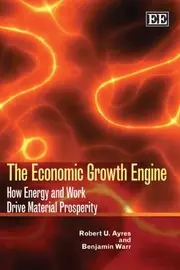 Economic Growth EngineRobert U. Ayres · 2009 · recommended by 3 people · similar by subject and what people say about it
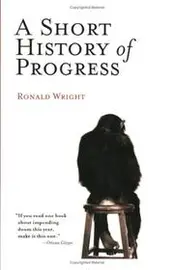 A short history of progressRonald Wright · 2004 · recommended by 4 people · loosely similar by subject
 Zombie economicsJohn Quiggin · 2010 · recommended by 3 people · loosely similar by subject
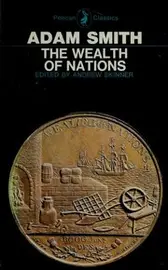 Inquiry into the nature and causes of the wealth of nationsAdam Smith · 1788 · recommended by 9 people · loosely similar by subject
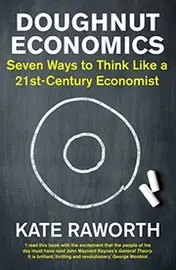 Doughnut EconomicsKate Raworth · 2017 · recommended by 8 people · similar by subject and what people say about it
 The economy of citiesJane Jacobs · 1969 · recommended by 4 people · loosely similar by subject
 Reinventing FireAmory B. Lovins · 2011 · recommended by 2 people · loosely similar by subject
 The worst hard timeTimothy Egan · 2007 · recommended by 1 person · loosely similar by subject
 The growth delusionPilling, David (Editor) · 2018 · recommended by 4 people · similar by subject and what people say about it
 Beyond GrowthHerman E. Daly · 1996 · recommended by 2 people · similar by subject and what people say about it
 Less Is MoreJason Hickel · 2020 · recommended by 7 people · similar by subject and what people say about it
 The age of uncertaintyJohn Kenneth Galbraith · 1977 · recommended by 1 person · loosely similar by subject
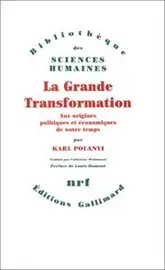 The Great TransformationKarl Polanyi · 1944 · recommended by 12 people · similar by subject and what people say about it
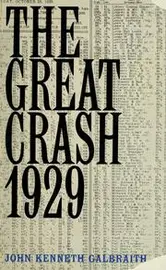 The great crash, 1929John Kenneth Galbraith · 1955 · recommended by 4 people · loosely similar by subject
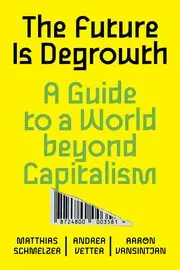 The Future is DegrowthMatthias Schmelzer · 2022 · recommended by 2 people · similar by subject and what people say about it
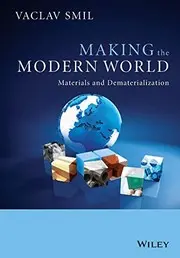 Making the Modern WorldVaclav Smil · 2013 · recommended by 2 people · loosely similar by subject
 CollapseJared Diamond · 2005 · recommended by 43 people · similar by subject and what people say about it
 A Farewell to AlmsGregory Clark · 2007 · recommended by 16 people · similar by subject and what people say about it
 Energy transitionsVaclav Smil · 2010 · recommended by 2 people · loosely similar by subject
 The entropy law and the economic processNicholas Georgescu-Roegen · 1971 · recommended by 1 person · loosely similar by subject
 Economics : the user's guideHa-Joon Chang · 2014 · recommended by 11 people · loosely similar by subject