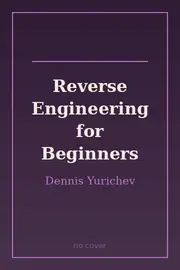
Reverse Engineering for Beginners
Dennis Yurichev · 2013
Programming and computer science › Electronics and computer architecture
#1,631 most recommended
Hacker News
28
mentions by 27 people · top 12% of 15,732 books
Open Library
—
Not on Open Library reading logs yet
Wikipedia
—
No article yet
About the book
A practical introduction to reverse engineering, covering how compiled C and C++ code appears in x86 assembly (with later material on ARM and MIPS) and how to read disassembly produced by common compilers such as MSVC and GCC. It also covers the tools used for analysis, such as disassemblers and debuggers, and includes worked examples and exercises for beginners. The core position is that reverse engineering is learnable by studying how high-level constructs such as variables, pointers, loops, conditionals, structures, and floating-point operations map onto machine instructions. The book holds that a reader who recognises these patterns in compiled output can reconstruct a program's logic without its source. It presents this through many small annotated examples rather than a single formal thesis, and it treats the skill as practical, built by reading and tracing real code.
Written by Claude from what it knows of this book.
What Hacker News says 85% recommend · 0% critical
In the commenters’ own words
# Programming "A Data-Centric Introduction to Computing" https://dcic-world.org/ # Programming Language Theory "Programming Languages: Application and…
Focusing on x86-64 (don't waste your time starting with the 32-bit variant when learning, let alone x87 FPU instructions, there's plenty of up-to-date…
What Open Library readers say
Open Library has no ratings or reading logs for this book yet.
What critics say, via Wikipedia
No Wikipedia article about this book yet, so no critics to quote.
Reddit communities — coming later
Details
- First published
- 2013
- Editions known
- none recorded at Open Library
Read next: its neighbours on the mosaic
 Practical Malware AnalysisMichael Sikorski · 2012 · recommended by 13 people · similar by subject and what people say about it
 Modern X86 Assembly Language ProgrammingDaniel Kusswurm · 2018 · recommended by 2 people · similar by subject and what people say about it
 Hacking the XboxAndrew "Bunnie" Huang · 2003 · recommended by 16 people · similar by subject and what people say about it
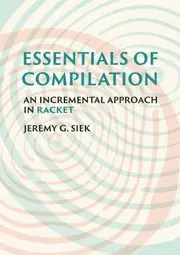 Essentials of CompilationJeremy G. Siek · 2023 · recommended by 17 people · 2 people recommended both
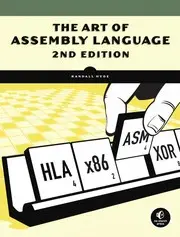 The art of Assembly languageRandall Hyde · 2003 · recommended by 18 people · similar by subject and what people say about it
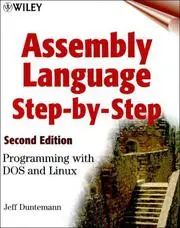 Assembly Language Step-by-stepJeff Duntemann · 2000 · recommended by 19 people · similar by subject and what people say about it
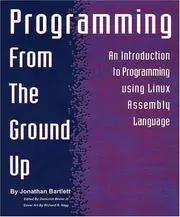 Programming from the Ground UpJonathan Bartlett · 2009 · recommended by 36 people · similar by subject and what people say about it
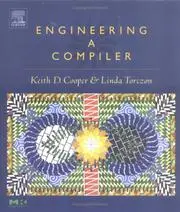 Engineering a compilerKeith D. Cooper · 2004 · recommended by 39 people · similar by subject and what people say about it
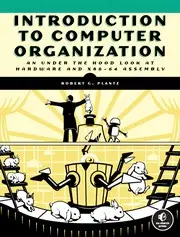 Introduction to Computer OrganizationBob Plantz · 2019 · recommended by 2 people · similar by subject and what people say about it
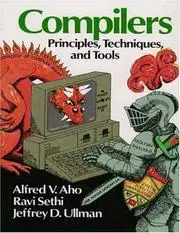 Compilers, principles, techniques, and toolsAlfred V. Aho · 1986 · recommended by 195 people · similar by subject and what people say about it
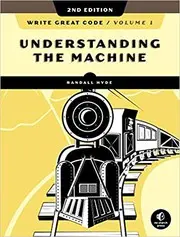 Write Great CodeRandall Hyde · 2004 · recommended by 16 people · similar by subject and what people say about it
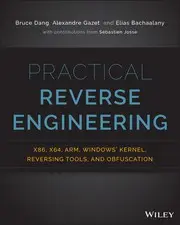 Practical Reverse EngineeringBruce Dang · 2014 · recommended by 6 people · similar by subject and what people say about it
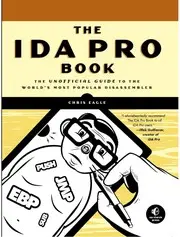 The IDA Pro bookChris Eagle · 2008 · recommended by 5 people · similar by subject and what people say about it
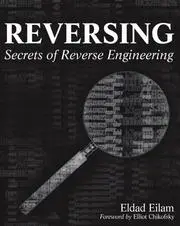 ReversingEldad Eilam · 2005 · recommended by 9 people · similar by subject and what people say about it
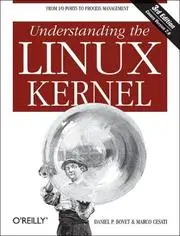 Understanding The Linux KernelDaniel P. Bovet · 2000 · recommended by 24 people · similar by subject and what people say about it
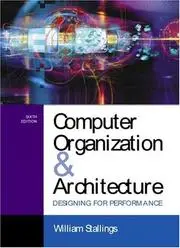 Computer organization and architectureWilliam Stallings · 1987 · recommended by 3 people · similar by subject and what people say about it
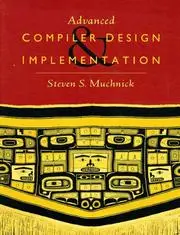 Advanced compiler design and implementationSteven S. Muchnick · 1997 · recommended by 13 people · similar by subject and what people say about it
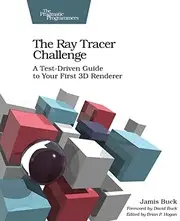 Ray Tracer ChallengeJamis Buck · 2019 · recommended by 21 people · similar by subject and what people say about it
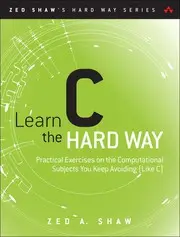 Learn C the hard wayZed Shaw · 2015 · recommended by 70 people · similar by subject and what people say about it
 But How Do It KnowJ. Scott Clark · 2009 · recommended by 21 people · similar by subject and what people say about it
 Software engineering for Internet applicationsEve Astrid Andersson · 2006 · recommended by 10 people · similar by subject and what people say about it
 Practical Binary AnalysisDennis Andriesse · 2018 · recommended by 1 person · similar by subject and what people say about it
 Crafting InterpretersRobert Nystrom · 2021 · recommended by 295 people · 2 people recommended both
 The C puzzle bookAlan R. Feuer · 1982 · recommended by 10 people · similar by subject and what people say about it