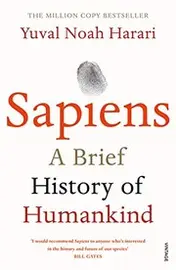
Sapiens
Yuval Noah Harari · 2011
Minds, machines and the future › Big-picture human history
#56 most recommended
Hacker News
440
mentions by 376 people · top 0.4% of 15,732 books
Open Library
4.19★★★★★★★★★★
214 ratings · 5,355 want to read
Wikipedia
182
weeks on the NYT best-seller list
About the book
Harari surveys the history of Homo sapiens from the Stone Age to the twenty-first century, combining natural science with social science. He organizes the story into four stages: the Cognitive Revolution around 70,000 BCE, the Agricultural Revolution, the gradual unification of humankind, and the Scientific Revolution. His central claim is that sapiens came to dominate the planet because they alone can cooperate flexibly in large numbers. He also argues that early sapiens were a major cause of the disappearance of rival human species, Neanderthals among them. The book grew out of lectures at the Hebrew University of Jerusalem and looks ahead to a time when humans may redesign themselves.
Written by Claude from the Open Library description, the Wikipedia article and the Hacker News comments.
What Hacker News says 53% recommend · 8% critical
Describes the book's recurring idea of shared fictions, such as myths and religions, that help societies grow, and contrasts local religions with missionary ones.
Points to the book's section that groups ideologies with religion, since both rest on a strong shared belief, and uses it to reflect on economics.
Cites Harari's view that anatomically modern sapiens existed for a very long time before distinctive behavioral traits appeared, in a debate about Neanderthals and early population size.
Finds some interesting facts but says the book is padded with unreferenced speculation and could be a third as long.
Warns that the book tends to be Eurocentric, and links to historian and anthropologist discussions that detail its flaws.
The criticism. Critics say the book is bloated with unsourced speculation about what people thought, and that it treats Western European experience as universal human history.
What Open Library readers say 4.19 from 214 ratings
- 5120
- 452
- 319
- 29
- 114
- 5,355 want to read
- 424 reading
- 334 have read
What critics say, via Wikipedia
- 182 weeks on the NYT best-seller list
- published 2011
- 443 pages
Praise
Says it clears cobwebs from the mind and is thrilling to read.
Gave it a star for airing great historical debates with satisfying energy.
Called it consistently engaging and frequently provocative.
Criticism
Likened its often unsourced assertions to casual late-night dorm-room debates.
Paraphrased from the Wikipedia article; the critics and outlets are as it names them.
Reddit communities — coming later
The threads it came up in
- Ask HN: Books you read in 2016?
- Ask HN: Books you read in 2018?
- Ask HN: What books changed the way you think about almost everything?
- Ask HN: Books you read in 2015?
- Ask HN: Mind bending books to read and never be the same as before?
- Ask HN: Books you plan to read in 2020?
- Ask HN: Which book are you reading these days?
- Ask HN: Best books you read in the past decade?
Details
- First published
- 2011
- ISBN
- 9780062316097
- Editions known
- 146 at Open Library
- Open Library
- OL17075811W
599.9AnthropologyCb113.h4 h3713 2015Chronologie historiqueChronology, historicalCivilisationCivilizationCivilization, historyCivilization--historyCognition and cultureComic books, stripsComics & graphic novels, adaptationsCronología históricaEconomic history
Read next: its neighbours on the mosaic
 21 Lessons for the 21st CenturyYuval Noah Harari · 2018 · recommended by 9 people · 3 people recommended both
 Thinking, fast and slowDaniel Kahneman · 2011 · recommended by 455 people · 12 people recommended both
 Homo DeusYuval Noah Harari · 2015 · recommended by 44 people · 5 people recommended both
 MeditationsMarcus Aurelius · 2016 · recommended by 284 people · 8 people recommended both
 The Power of HabitCharles Duhigg · 2012 · recommended by 127 people · 7 people recommended both
 Elon MuskAshlee Vance · 2015 · recommended by 34 people · 4 people recommended both
 Guns, Germs, and SteelJared Diamond · 1997 · recommended by 214 people · 6 people recommended both
 Shoe DogPhil Knight · 2016 · recommended by 77 people · 6 people recommended both
 BehaveRobert M. Sapolsky · 2017 · recommended by 37 people · 3 people recommended both
 Seeking WisdomPeter Bevelin · 2007 · recommended by 30 people · 3 people recommended both
 The Everything StoreBrad Stone · 2013 · recommended by 24 people · 3 people recommended both
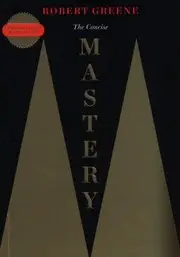 MasteryRobert Greene · 2012 · recommended by 50 people · 2 people recommended both
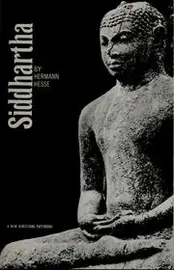 SiddharthaHermann Hesse · 1922 · recommended by 138 people · 2 people recommended both
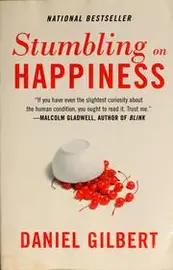 Stumbling on happinessDaniel T. Gilbert · 2006 · recommended by 38 people · similar by subject and what people say about it
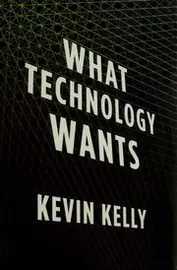 What technology wantsKevin Kelly · 2010 · recommended by 24 people · 2 people recommended both
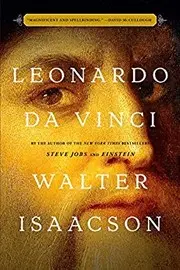 Leonardo da VinciWalter Isaacson · 2017 · recommended by 22 people · 5 people recommended both
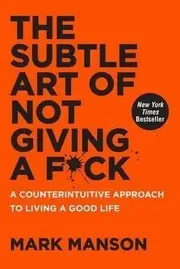 The Subtle Art of Not Giving a F*ckMark Manson · 2016 · recommended by 40 people · 4 people recommended both
 Origin StoryDavid Christian · 2018 · recommended by 1 person · similar by subject and what people say about it
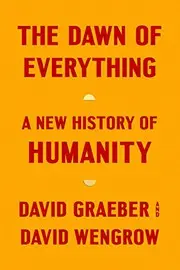 The Dawn of EverythingDavid Graeber · 2021 · recommended by 110 people · 3 people recommended both
 CollapseJared Diamond · 2005 · recommended by 43 people · 2 people recommended both
 The moral animalWright, Robert · 1994 · recommended by 22 people · similar by subject and what people say about it
 The art of thinking clearlyRolf Dobelli · 2013 · recommended by 15 people · similar by subject and what people say about it
 The Moral AnimalRobert Wright · 1994 · recommended by 23 people · similar by subject and what people say about it
 The Emperor of All MaladiesSiddhartha Mukherjee · 2010 · recommended by 77 people · 3 people recommended both