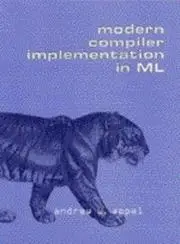
Modern compiler implementation in ML
Andrew W. Appel · 1997
Programming and computer science › Compilers and interpreters
#785 most recommended
Hacker News
68
mentions by 50 people · top 5% of 15,732 books
Open Library
—
No ratings yet
3 want to read
Wikipedia
—
No article yet
About the book
A textbook on compiler construction, covering the full pipeline from lexical analysis and parsing through semantic analysis, activation records, intermediate representation, instruction selection, register allocation, and code generation. It builds a complete compiler for a small teaching language called Tiger, with the code written in Standard ML. Later chapters extend to garbage collection, object-oriented and functional language features, and optimization. Its central claim is that a compiler is best understood as a sequence of well-defined, modular phases, each with a clear data structure and algorithm, and that a functional language like ML makes those structures concise enough to implement and read directly. It holds that working through a complete, runnable compiler teaches the design trade-offs better than surveying techniques in isolation. It also treats runtime concerns such as garbage collection and the mapping from source constructs to machine code as part of ordinary compiler design, not as separate topics.
Written by Claude from what it knows of this book.
What Hacker News says 48% recommend · 2% critical
In the commenters’ own words
Language Implementation Patterns by Terrance Parr might be right up your alley. Implementing Programming Languages by Aarne Ranta is likewise a refreshing…
The problem with this article is that it's missing an answer to why one would choose ML/OCaml over Haskell. Haskell has many more features, a more advanced…
What Open Library readers say
No Open Library reader has rated it yet.
- 3 want to read
- 0 reading
- 0 have read
What critics say, via Wikipedia
No Wikipedia article about this book yet, so no critics to quote.
Reddit communities — coming later
The threads it came up in
- Ask HN: What language-agnostic programming books should I read?
- Ask HN: What are the most fundamental books on computer science?
- Ask HN: What are some books where the reader learns by building one project?
- Ask HN: Nicknames for Computer Science Books?
- Ask HN: Which compiler book to pick?
- Ask HN: Best book about compilers?
- Ask HN: What should I give priority, Lisp, Haskell, or the Dragon Book?
Details
- First published
- 1997
- ISBN
- 9780521607643
- Editions known
- 8 at Open Library
- Open Library
- OL2704215W
Compilers (Computer programs)ML (Computer program language)
Read next: its neighbours on the mosaic
 Engineering a compilerKeith D. Cooper · 2004 · recommended by 39 people · 3 people recommended both
 Compiling with ContinuationsAndrew W. Appel · 1992 · recommended by 19 people · 3 people recommended both
 Modern compiler designDick Grune · 2000 · recommended by 12 people · 2 people recommended both
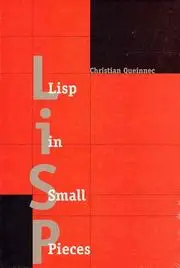 Lisp in Small PiecesChristian Queinnec · 1996 · recommended by 101 people · 5 people recommended both
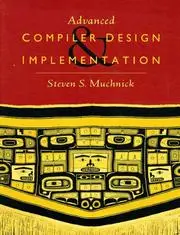 Advanced compiler design and implementationSteven S. Muchnick · 1997 · recommended by 13 people · 2 people recommended both
 Programming in PrologWilliam F. Clocksin · 1981 · recommended by 8 people · 2 people recommended both
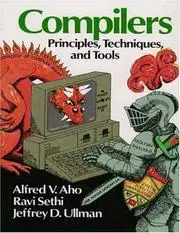 Compilers, principles, techniques, and toolsAlfred V. Aho · 1986 · recommended by 195 people · named together in 9 comments
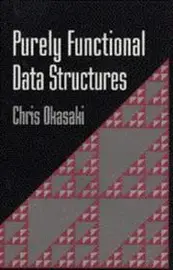 Purely functional data structuresChris Okasaki · 1998 · recommended by 87 people · 3 people recommended both
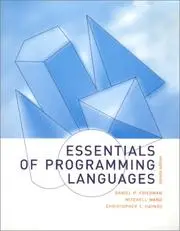 Essentials of programming languagesDaniel P. Friedman · 1992 · recommended by 43 people · named together in 3 comments
 Basics of compiler designTorben ©. Mogensen · 2010 · recommended by 4 people · named together in 2 comments
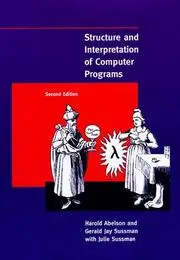 Structure and Interpretation of Computer ProgramsHarold Abelson · 1984 · recommended by 347 people · 6 people recommended both
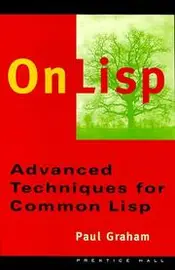 On LISPPaul Graham · 1993 · recommended by 192 people · 4 people recommended both
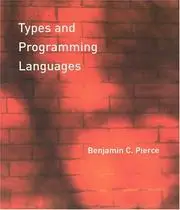 Types and Programming LanguagesBenjamin C. Pierce · 2002 · recommended by 132 people · 5 people recommended both
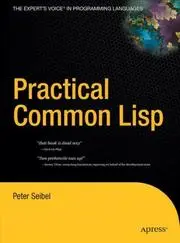 Practical Common LispPeter Seibel · 2005 · recommended by 218 people · 4 people recommended both
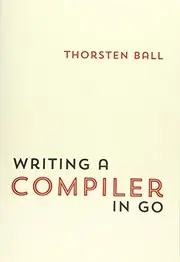 Writing A Compiler In GoThorsten Ball · 2018 · recommended by 33 people · similar by subject and what people say about it
 How to Design ProgramsMatthias Felleisen · 2001 · recommended by 277 people · 3 people recommended both
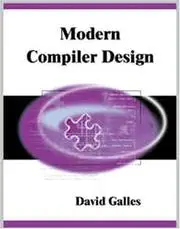 Modern Compiler DesignDavid Galles · 2004 · recommended by 1 person · similar by subject and what people say about it
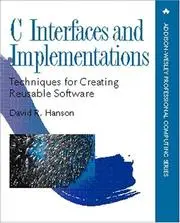 C interfaces and implementationsDavid R. Hanson · 1996 · recommended by 46 people · 3 people recommended both
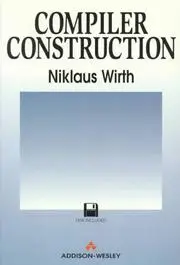 Compiler constructionNiklaus Wirth · 1996 · recommended by 30 people · named together in 2 comments
 Essentials of CompilationJeremy G. Siek · 2023 · recommended by 17 people · similar by subject and what people say about it
 Crafting InterpretersRobert Nystrom · 2021 · recommended by 295 people · 2 people recommended both
 Language Implementation PatternsTerence Parr · 2009 · recommended by 18 people · similar by subject and what people say about it
 Successful LispDavid B. Lamkins · 2004 · recommended by 9 people · similar by subject and what people say about it
 The little MLerMatthias Felleisen · 1998 · recommended by 6 people · similar by subject and what people say about it